Empowering Survivors: The Latest in Cancer Therapies and Patient Support
In today's world of oncology news, the horizon of cancer therapies and patient support is brighter than ever. With each passing moment, medical research continues to unveil groundbreaking innovations that transform the landscape of diagnosis and treatment. Imagine navigating a path laden with challenges yet surrounded by a community of advocates and survivors who share their personal stories with courage and hope. In this health blog, we embark on a journey through the new frontier of cancer treatments, exploring not only the latest advances in medical science but also the multifaceted layers of support that empower patients along the way.
Have you ever pondered the incredible world of cancer therapies, from traditional chemotherapy and radiation therapy to revolutionary treatments like immunotherapy? Each tumor type presents its unique challenges, yet the beauty lies in the promise of advancements that are being made. The latest cancer studies reveal that targeted therapies tailored to an individual’s specific genetic makeup are coming to the forefront. This evolving landscape ensures that patients are not just recipients of treatment but active participants in their health journey. The question lingers: how can we best equip ourselves with knowledge about these innovations?
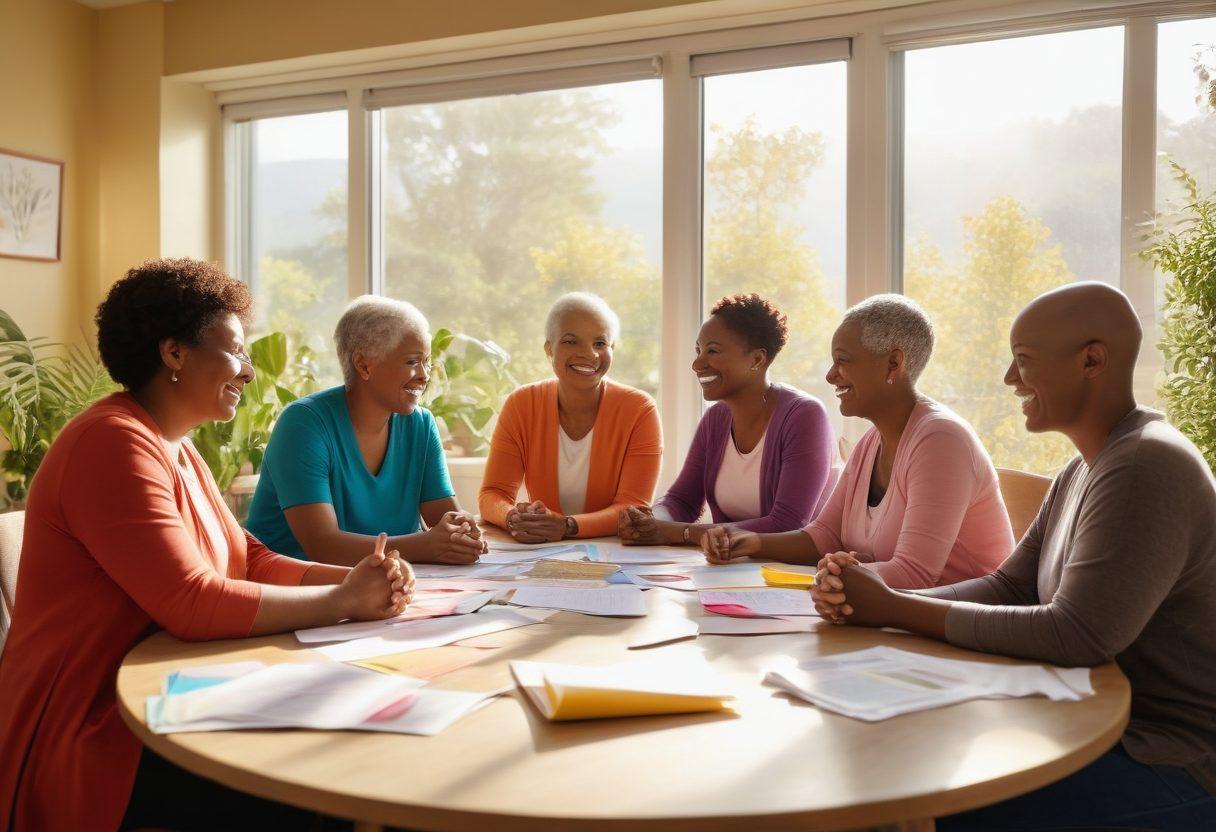
Moreover, cancer education plays a pivotal role in recognizing cancer risk factors and understanding how lifestyle changes can bolster prevention. Imagine a world where early detection is the norm rather than the exception, where support groups provide a shining beacon of hope. Area communities are coming together, nurturing environments where survivors share their journeys, creating spaces that foster emotional support and wellness. Have you considered joining a support group to share in this empowering journey?
Additionally, it’s essential to acknowledge the significance of patient support in this evolving narrative. Patients no longer face their battles in isolation; instead, they have access to a plethora of resources ranging from palliative care to cancer advocacy initiatives. As the cancer community grows, so does the conversation around alternative cancer treatments and holistic health approaches. Integrating nutrition and cancer strategies becomes a vital part of healing, alongside advances in clinical trials that are continuously emerging in the landscape of cancer therapies.
In conclusion, navigating the new frontier of cancer therapies isn’t just about the treatments themselves; it's about building a compassionate and informed community that uplifts one another through uncertainty and triumph. It’s about recognizing that behind every diagnosis is a personal story, each deserving emotional support and understanding. As we collectively advance towards healthier living and improved cancer survival rates, let’s remain committed to sharing knowledge, advocating for better treatment options, and cultivating patient support networks that illuminate even the darkest paths. Together, we can break new ground in cancer care.
From Diagnosis to Survivorship: Empowering Cancer Patients through Education and Advocacy
Imagine standing at the precipice of uncertainty, where a diagnosis of cancer shrouds your world in darkness. It’s a moment that can feel overwhelming, leaving many feeling isolated and afraid. However, amid this fear, a path toward empowerment emerges. With advancements in cancer therapies, increased cancer education, and robust patient support networks, cancer patients are no longer passive in their journeys. They are becoming advocates for their health and wellness, transforming their experience from patients to empowered survivors. It's essential to understand the journey from diagnosis to survivorship, a journey powered by knowledge, support, and resilience.
Navigating through the labyrinth of oncology news and medical research, one of the most empowering aspects for cancer patients is education. Knowing the different tumor types, cancer risk factors, and available cancer treatments can make all the difference. For instance, when cancer patients are educated about their options—such as chemotherapy, radiation therapy, and the increasingly popular immunotherapy—they can engage in meaningful conversations with their oncologists. It's not just about understanding their disease; it's about reclaiming control over their treatment decisions. So, whether you're sipping on green tea or attending a support group, ask yourself: are you armed with the knowledge necessary to advocate for your health?
Support groups are another cornerstone of empowerment. These community spaces provide emotional support, personal stories, and tangible advice from others who have walked similar paths. Here, individuals realize they are not alone in their experiences. A survivor could share how lifestyle changes for cancer prevention, such as nutrition and healthy living adjustments, helped them along their journey. These groups are a testament to the strength found in unity, even amidst heartbreak. If you or someone you know is battling cancer, consider reaching out and finding the right support group that aligns with your values and experiences.
Understanding the significance of early detection in improving cancer survival rates cannot be overstated. Health blogs filled with the latest cancer studies emphasize the benefits of routine screenings and vigilance. It's in those early moments of diagnosis and treatment that a patient’s fate can change. Did you know that engaging in holistic health practices and exploring alternative cancer treatments can also support traditional therapies? Each choice contributes to a comprehensive approach to fighting cancer, enhancing the patient's outcome. By devoting time to educate ourselves about the latest clinical trials or palliative care options, we can better equip ourselves for the battle ahead.
Finally, advocacy is crucial in the cancer community. Empowered patients are those who take an active role in informing others about cancer education and the importance of support systems. As the landscape of cancer therapies evolves, it is vital for patients to engage with their communities, share their stories, and push for access to new treatments. Emotional support, whether it comes from family, friends, or community networks, can be a powerful tool in healing. So let’s ask, how can we contribute to a supportive ecosystem for cancer patients? By joining in on conversations that matter, advocating for better resources, and sharing your journey, you can make a tremendous impact—not just for yourself but for others navigating the complexities of a cancer diagnosis.
Building a Stronger Cancer Community: The Role of Support, Lifestyle Changes, and Personal Stories in Healing
In an era where medical research rapidly evolves, the power of community has emerged as a crucial player in the fight against cancer. Imagine being in a room filled with individuals who share your fears and hopes—each one a warrior in their own right. This sense of belonging can transform a survivor's journey, providing a robust support system that extends beyond the typical oncology news. The importance of building a stronger cancer community cannot be understated; it's where hope ignites, and healing begins. Have you ever considered how personal stories might shape the narrative of cancer treatment?
As we dive deeper into the science of cancer therapies like immunotherapy, chemotherapy, and radiation therapy, we mustn't overlook the human aspect. Let's start with a question: What if a shared experience could elevate the effectiveness of these treatments? Support groups foster an environment where patients can exchange insights, discuss tumor types, and explore cancer risk factors, contributing to a collective wealth of knowledge that can enhance cancer education. For survivors, sharing personal stories can be a form of emotional support that resonates deeply with others navigating similar paths. Isn’t it fascinating how a narrative can unite a fragmented experience?
Lifestyle changes for cancer prevention are also essential, and they often begin with education—knowing how nutrition and cancer interconnect can empower patients and caregivers alike. A healthy living guide equips individuals with actionable steps that can lead to improved survival rates. Small choices, like opting for whole foods over processed options, fuel the body and mind, making them resilient against this relentless disease. Reflecting on this, one can’t help but wonder, how few changes could yield powerful outcomes?
The role of alternative cancer treatments, alongside traditional therapies, continues to gain traction. Integrating holistic health practices—think mindfulness, yoga, and meditation—into conventional treatment plans provides a well-rounded approach to healing. As more patients seek a balanced path, innovative clinical trials are testing strategies that bridge the gap between body and spirit. Imagine a cancer community where individuals not only fight for their lives using the latest cancer studies but also for a more fulfilling life. Isn't that an inspiring vision?
Let’s not forget the undeniable importance of emotional support and palliative care, especially in the later stages of the journey. Patients need understanding and empathy as they navigate diagnosis and treatment. Creating an open dialogue about end-of-life care can make a world of difference. In a community that thrives on shared experiences, each survivor's voice holds weight. As we progress, let us advocate for these voices to be heard and for stories to inspire hope and strength in others facing cancer. Together, we can build a thriving cancer community that empowers every survivor.